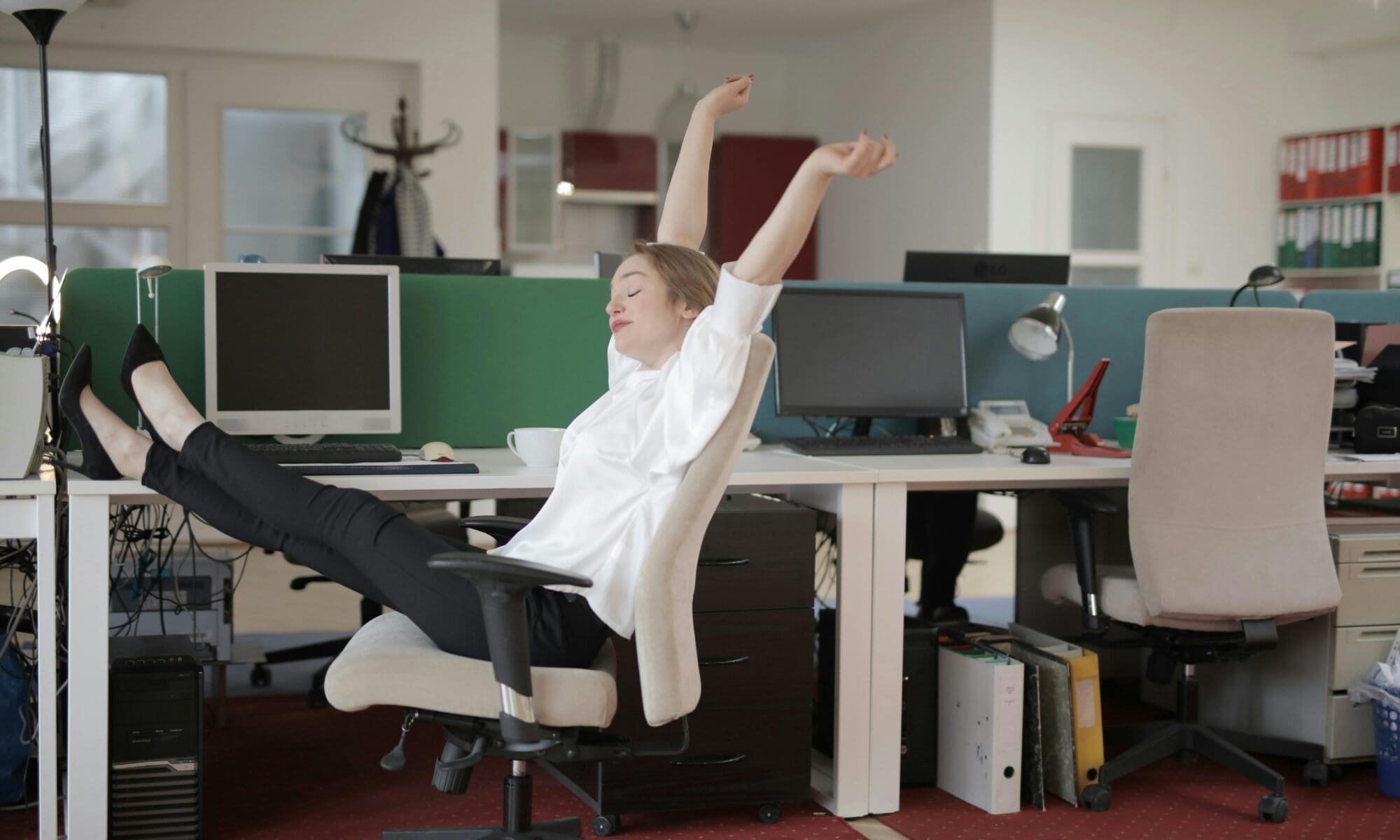

In today’s fast-paced corporate world, long hours at a desk and sedentary work can take a serious toll on employees’ physical and mental well-being. Tension, poor circulation, and chronic discomfort are common, reducing focus and productivity. While many wellness programs offer fitness classes or mindfulness sessions, an increasingly popular and effective solution is reflexology massage, a proven stress relief massage delivered right at the workplace.
At Body Techniques, we help organizations see that reflexology is more than a spa treatment, it’s a strategic tool for enhancing employee health, satisfaction, and performance. Let’s explore how reflexology works, the benefits of desk massage, and why it’s one of the most effective therapies for workplace wellness
What Is Reflexology?
Reflexology is a therapeutic technique that applies targeted pressure to specific points on the feet, hands, or ears. These points correspond to different organs, glands, and systems in the body. By stimulating them, reflexology can improve circulation, support the nervous system, and encourage the body’s natural healing processes.
While many associate reflexology with a relaxing spa experience, its benefits go far beyond simple stress relief. Research shows that reflexology massage can:
- Reduce muscle tension and chronic pain
- Improve blood flow and circulation
- Support stress management and overall relaxation
- Promote long-term wellness and balance
When incorporated into a workplace wellness program, reflexology becomes a highly effective desk-side stress relief massage, helping employees feel healthier, more focused, and more productive throughout the workday.
Why Reflexology Works in the Workplace
Office work often involves long hours of sitting, repetitive movements, and constant mental demands, all of which can contribute to tension, poor circulation, and increased stress. That’s where reflexology massage shines as an effective, desk-side solution.
1. Provides Quick Stress Relief
A busy workday can leave employees feeling tense, anxious, or mentally fatigued. A desk massage through reflexology delivers fast, noticeable relaxation. Even a 15- to 20-minute session can reduce stress levels, calm the nervous system, and help employees reset, without leaving their workspace.
2. Supports Circulation and Reduces Pain
Prolonged sitting can lead to poor blood flow, swelling, and discomfort in the feet, legs, and back. Reflexology stimulates key points that encourage circulation and relieve muscle tension. Regular sessions can help minimize chronic pain and discomfort, allowing employees to stay more comfortable and focused throughout the day.
3. Boosts Mental Clarity and Focus
Stress and physical strain can hinder concentration and decision-making. Reflexology promotes relaxation while revitalizing energy, which enhances mental clarity and focus. Employees return to tasks feeling refreshed, improving productivity and engagement in real-time.
By integrating desk-side reflexology into corporate wellness programs, companies provide a convenient, highly effective tool for improving both physical and mental well-being, making it one of the most efficient therapies for office environments.
Desk Massage: A Convenient Corporate Solution
One of the key advantages of reflexology in the office is that it can be delivered at the desk, making it a practical solution for busy professionals. Unlike spa-based treatments that require travel and scheduling, desk-side reflexology fits seamlessly into the workday.
How Desk Reflexology Works
- Set-Up: A trained reflexology therapist brings portable equipment, comfortable chairs, footrests, and optional oils, directly to the workplace.
- Assessment: The therapist identifies tension points or areas of concern, tailoring the session to the individual’s needs.
- Therapy: Using targeted pressure techniques on the feet (or hands), the therapist stimulates reflex points associated with various body systems.
- Outcome: Employees experience immediate stress relief, improved circulation, and reduced muscle tension, all without leaving their workspace.
The convenience of desk-side sessions makes them particularly attractive for wellness coordinators or executives seeking innovative ways to boost employee retention and satisfaction.
Why Reflexology Is One of the Most Efficient Desk-Side Therapies
In the realm of corporate wellness, efficiency matters. Reflexology stands out because it provides multiple benefits in a short, convenient session:
- Time-efficient: 15-20 minutes is often enough to notice a difference.
- Non-disruptive: Employees remain on-site, allowing for quick integration into the workday.
- Holistic: Benefits extend to stress reduction, circulation, and pain relief simultaneously.
- Customizable: Sessions can be tailored for individual employees or delivered in small group settings.
Compared to other wellness interventions like gym memberships, long meditation programs, or off-site retreats, reflexology delivers immediate, tangible results. This makes it a compelling addition to any corporate wellness strategy.
Who Benefits Most from Workplace Reflexology
Reflexology at work is ideal for a wide range of employees, especially those in office-based roles. Key groups that experience the greatest impact include:
- Employees with chronic desk-job pain: Reflexology can relieve tension in the back, shoulders, neck, and feet caused by prolonged sitting.
- Stressed professionals: Short reflexology sessions act as a mental reset, reducing anxiety and preventing burnout.
- HR and wellness coordinators: Incorporating reflexology into wellness programs enhances employee satisfaction and engagement.
- Corporate event planners: Reflexology can be offered at conferences, retreats, or employee appreciation days as a unique and memorable experience.
By offering reflexology as part of your wellness initiatives, companies demonstrate a commitment to employee health and show a modern approach to workplace care.
Evidence-Based Benefits of Reflexology in the Workplace
While reflexology has been practiced for centuries, modern research continues to highlight its benefits, particularly in stress reduction and overall well-being. Studies have shown that reflexology can:
- Lower cortisol levels, reducing physical and mental stress
- Improve circulation and blood flow, supporting overall organ and muscle health
- Reduce chronic pain, particularly in areas affected by desk work
- Enhance sleep quality, indirectly boosting workplace performance and focus
For businesses, these benefits translate into fewer sick days, higher engagement, and stronger employee retention, showing that investing in reflexology pays measurable dividends beyond general wellness.
Integrating Reflexology into Corporate Wellness Programs
At Body Techniques, we specialize in helping companies integrate reflexology into comprehensive wellness strategies. Whether it’s a recurring desk-side reflexology massage, an on-site event, or a corporate retreat, our programs are designed to be:
- Flexible: Sessions can be tailored to fit your team’s schedule and workspace.
- Professional: All therapists are trained and certified, ensuring a safe and effective experience.
- Impactful: Programs focus on tangible wellness outcomes, including stress reduction, pain relief, and overall employee satisfaction.
By making reflexology accessible in the workplace, companies provide a high-impact wellness benefit that supports both physical and mental health while enhancing corporate culture.
Real-World Applications
1. Regular Desk Reflexology Sessions
Scheduled weekly or bi-weekly sessions allow employees to address chronic tension, maintain circulation, and manage stress before it escalates. Even short, 15-minute sessions at the desk can yield noticeable improvements in comfort and mood.
2. Corporate Events and Wellness Days
Offering reflexology during employee appreciation events, health fairs, or wellness days provides a unique, memorable experience. Employees gain hands-on exposure to a therapy that can improve their health and productivity while feeling valued by their employer.
3. Executive and Leadership Programs
High-stress roles often come with extended work hours and increased responsibility. Reflexology provides executives with an accessible stress management tool that supports decision-making, mental clarity, and long-term well-being.
Why Choose Body Techniques
Body Techniques stands out as a leader in workplace wellness because we understand the corporate environment. We don’t just provide spa-style treatments; we deliver results-driven reflexology that fits seamlessly into busy offices. Our therapists are trained to:
- Identify tension patterns common in desk-based work.
- Apply targeted reflexology massage techniques that optimize comfort and performance.
- Adapt sessions for individual employees, small teams, or larger corporate events.
With years of experience partnering with corporations, Body Techniques ensures that your reflexology program not only feels good, it works.
Conclusion
In 2026, corporate wellness is evolving beyond traditional offerings. Reflexology is emerging as one of the most effective desk-side therapies, combining stress relief, pain management, and circulation support in a quick, convenient, and non-intrusive format.
For HR leaders, wellness coordinators, event planners, and executives, integrating reflexology into your workplace strategy provides a unique tool to enhance employee health, productivity, and satisfaction. With Body Techniques as your partner, you can bring the benefits of reflexology massage directly to your team, right at their desks.
Invest in your employees’ well-being and discover why reflexology is no longer just a spa treatment, it’s a performance and recovery tool for the modern workplace.